USA - Environmental Pest Control Services
- (812)9403105
- office@archerspestcontrol.com
- Monday to Saturday 9:00 a.m. - 5:00 p.m.
Pest Identification Guide: Common Household
Pests | Archers
What Do Fleas Look Like?
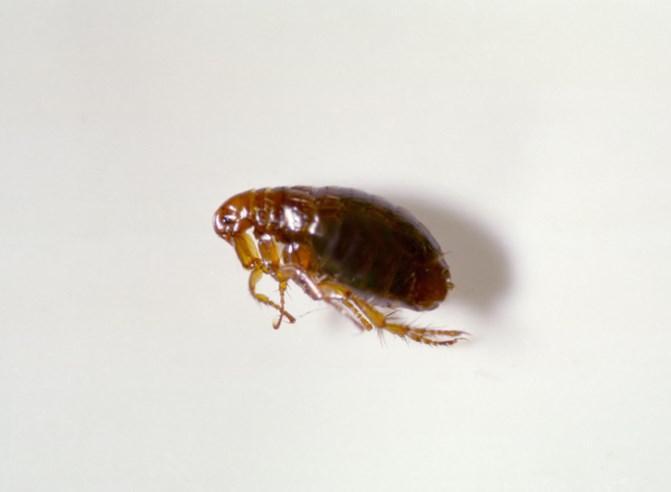
Fleas are tiny, wingless insects that feed on the blood of animals and people. The species most often found in US homes is the cat flea, which, despite its name, infests dogs as often as cats.
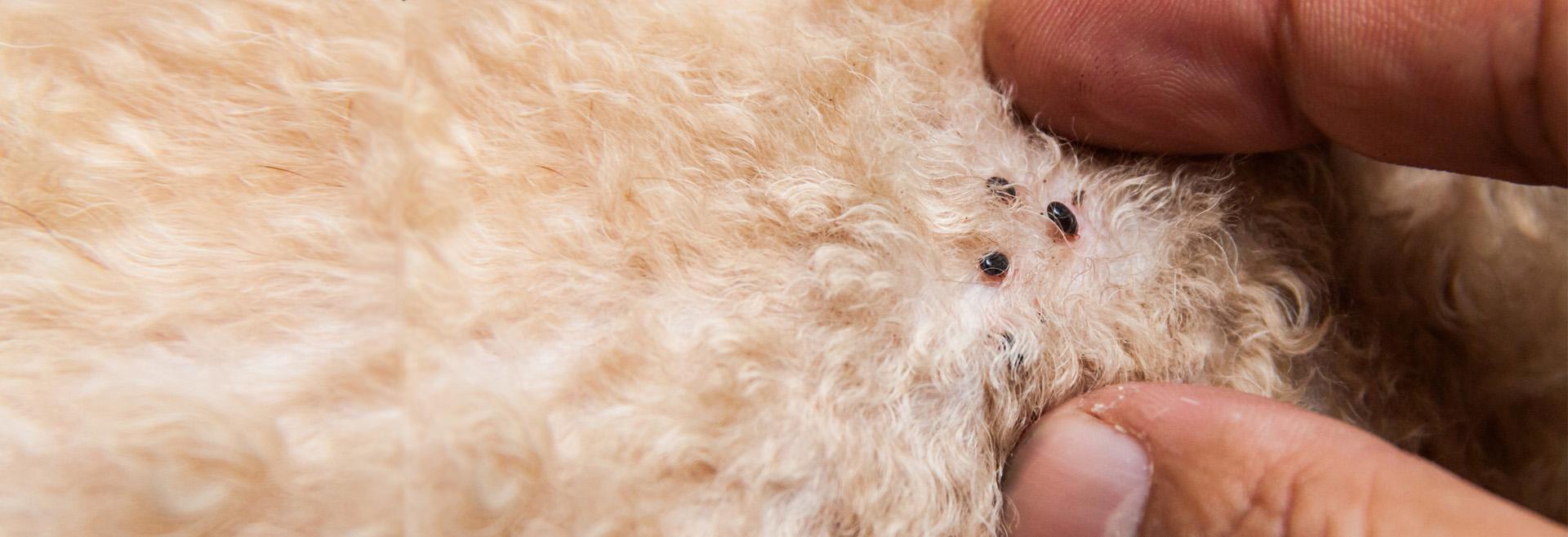
- Size: adults are about ⅛ inch long.
- Color: dark reddish-brown.
- Shape: flattened from side to side, so they can move easily through fur.
- Movement: powerful back legs let them jump many times their own height.
Fleas go through four life stages: egg, larva, pupa and adult. Adult fleas live on a pet and lay eggs that fall off into carpets, pet beds, furniture and yards. The larvae feed on debris and flea droppings, then spin cocoons. Most of a flea infestation is in these young stages, hidden in your home, not on your pet.
Flea pupae can wait in their cocoons for weeks or months and hatch when they sense vibration, warmth or carbon dioxide. That's why people sometimes find fleas after moving into a home that's been empty, or after returning from a vacation.
Signs of Fleas
- Pets scratching, biting or licking themselves more than usual, especially around the neck, back and base of the tail
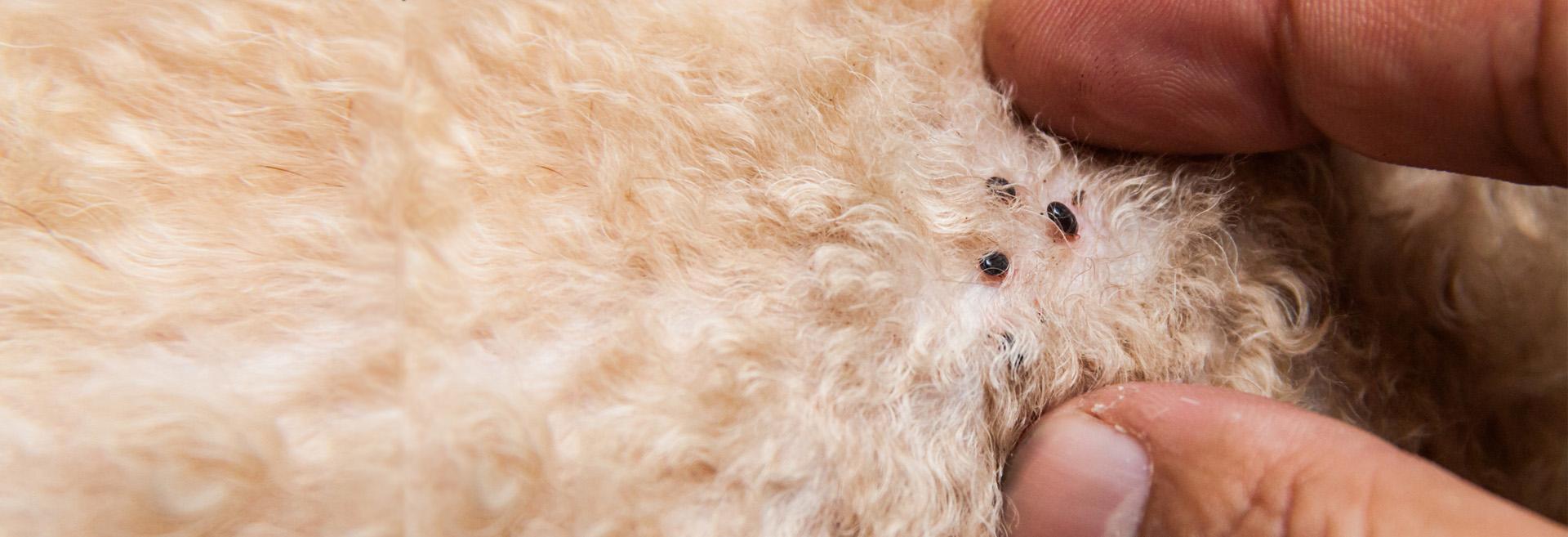
- Flea dirt: tiny black specks in your pet's fur or bedding. Put them on a damp white paper towel, and if they turn reddish-brown, they're flea droppings.
- Bites on people: small, itchy red bumps, often in clusters on the ankles and lower legs
- Fleas jumping on carpets, furniture or your socks, especially after walking through a room
Pets aren't the only source. Raccoons, opossums, stray cats and other wildlife can bring fleas into yards, crawl spaces, sheds and under decks.
How Serious Are Fleas?
Flea bites are itchy and can cause allergic skin reactions in both people and pets. Pets can develop flea allergy dermatitis and can get tapeworms by swallowing fleas while grooming. Heavy infestations can cause anemia in kittens, puppies and small animals.
Fleas can also carry bacteria that cause disease in people, such as the bacteria behind cat scratch disease, although this is uncommon. The bigger issue for most families is that fleas multiply quickly and are hard to get rid of without treating both the pets and the home.
How to Get Rid of Fleas
Fleas have to be treated in three places at the same time: on your pets, in your home and, if needed, in your yard.
- Treat every pet in the household with a flea product recommended by your veterinarian, even pets that don't seem to be scratching.
- Wash pet bedding, blankets and throw rugs in hot water and dry them on high heat.
- Vacuum daily for a couple of weeks, including carpets, furniture, under cushions and along baseboards, and empty the vacuum outside each time.
- Treat your home. Professional treatments include insect growth regulators that stop eggs and larvae from developing into adults.
- Treat shaded areas of the yard where pets rest, and keep wildlife out of crawl spaces and from under decks.
You may still see some fleas for a couple of weeks after treatment, as pupae hatch and come into contact with treated surfaces. Keep vacuuming, and keep pets on their flea treatment.
Our IDPH-licensed technicians can treat your home and coordinate with your pet treatment to break the flea life cycle.
Need help? Book an inspection online or see our flea control service.

Services
About Us
Delivering Pest Control Excellence