USA - Environmental Pest Control Services
- (812)9403105
- office@archerspestcontrol.com
- Monday to Saturday 9:00 a.m. - 5:00 p.m.
Pest Identification Guide: Common Household
Pests | Archers
Common Flies in Illinois Homes
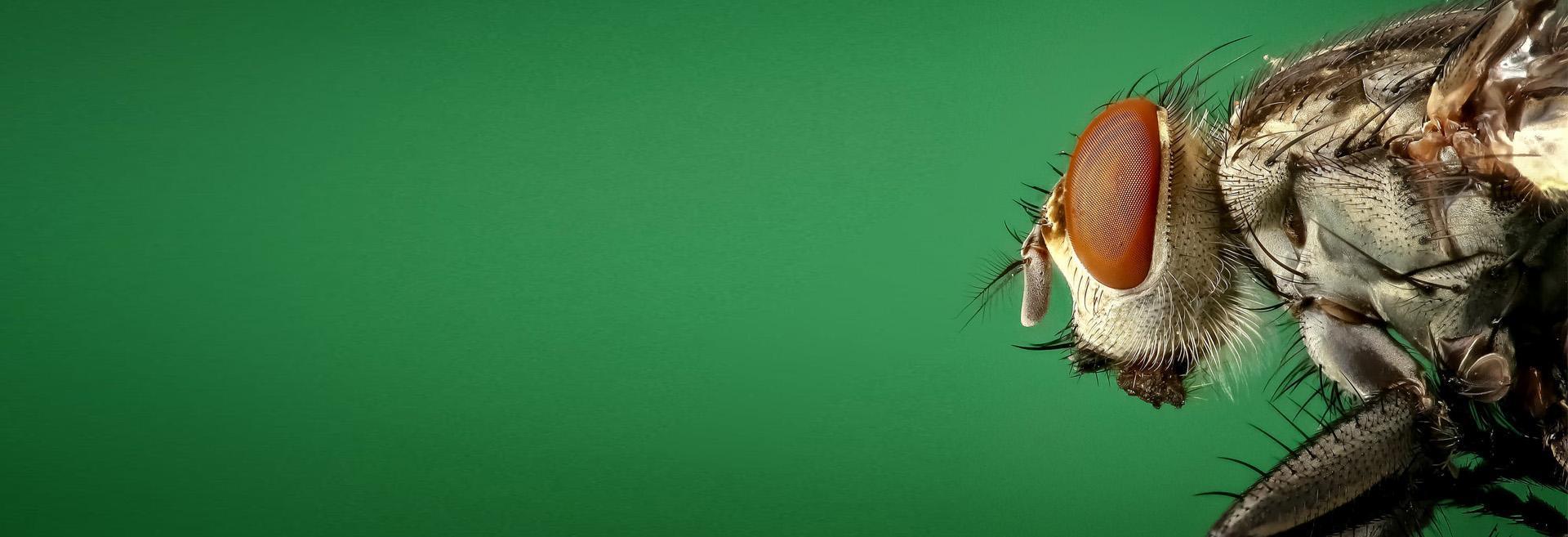
Flies are insects with one pair of wings, large eyes and, in most species, a fast life cycle. A house fly can go from egg to adult in about a week in warm weather, so a small problem can become a big one quickly.
The key to getting rid of flies is finding where they're breeding. Different flies breed in different places:
- House flies: about ¼ inch, gray, with four dark stripes on the back. They breed in garbage, pet waste and rotting organic material.
- Fruit flies: about ⅛ inch, tan, usually with red eyes. They breed in overripe fruit, recycling, drains and anything fermenting.
- Drain flies: small, fuzzy and moth-like. They breed in the slimy buildup inside drains.
- Cluster flies: slightly larger than house flies, slow and sluggish, with golden hairs on the back. They gather on sunny windows in fall and late winter.
- Blow flies and bottle flies: shiny metallic green or blue. A sudden swarm usually means a dead animal nearby.
Where Do Flies Come From?
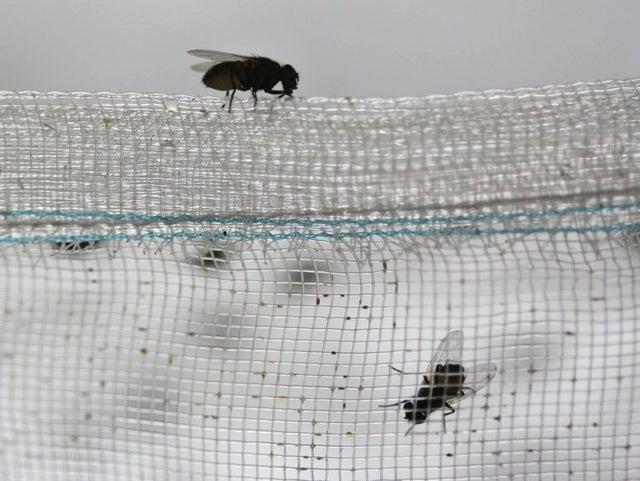
Most fly problems start with a breeding site in or near the building:
- trash cans and dumpsters without tight lids, or that haven't been cleaned
- pet waste in yards and kennels
- fruit and vegetables left out on counters, and unrinsed recycling
- the buildup inside sink and floor drains
- a dead mouse, bird or other animal in a wall, attic or chimney (blow flies)
Cluster flies are different. They breed outdoors, where their larvae live in earthworms in lawns, then come inside in late summer and fall to spend the winter in attics and wall voids. On warm, sunny days they wake up and crawl out onto windows. They're a very common problem in homes in the Chicago suburbs.
Are Flies Dangerous?
House flies and blow flies feed and breed on garbage and waste, then land on food and kitchen surfaces. They can carry bacteria such as Salmonella, E. coli and Shigella on their legs and bodies and spread them to food.
For restaurants, food stores and other food businesses, flies can also lead to health code violations and complaints. Cluster flies don't breed indoors or spread disease, but large numbers are a real nuisance, and the dead flies attract other pests, such as carpet beetles.
Signs of a Fly Problem
- Flies circling in the same room or area every day
- Larvae (maggots) in trash cans, around drains or near a smell
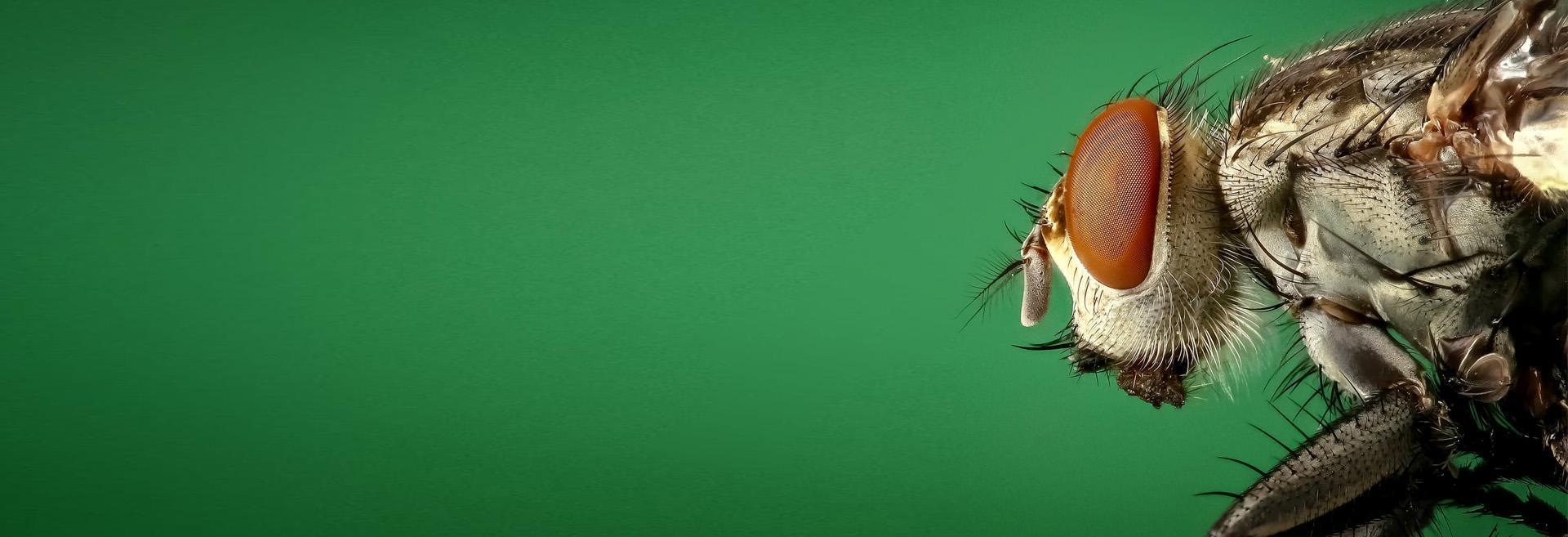
- Small dark spots (fly specks) on walls, lights and windows
- Tiny flies hovering around sinks, drains or the fruit bowl
- Sluggish flies on sunny windows in fall or late winter (cluster flies)
- A sudden swarm of metallic green or blue flies, often with an odor (a dead animal nearby)
How to Get Rid of Flies
- House flies: keep lids on trash cans, clean the cans regularly, take out the trash often and pick up pet waste daily.
- Fruit flies: keep ripe fruit in the fridge, rinse recycling, and clean up spills and drains.
- Drain flies: scrub drains with a stiff brush and use an enzyme drain cleaner. Bleach doesn't remove the buildup they breed in.
- Cluster flies: seal gaps around windows, siding, soffits and attic vents in late summer, before they move in.
- All flies: keep window and door screens in good repair.
If you can't find the source, or flies keep coming back, our IDPH-licensed technicians can track down breeding sites and treat them, including cluster flies in attics and wall voids.
Need help? Book an inspection online or see our fly control service.

Services
About Us
Delivering Pest Control Excellence