USA - Environmental Pest Control Services
- (812)9403105
- office@archerspestcontrol.com
- Monday to Saturday 9:00 a.m. - 5:00 p.m.
Pest Identification Guide: Common Household
Pests | Archers
What Do Pantry Moths Look Like?
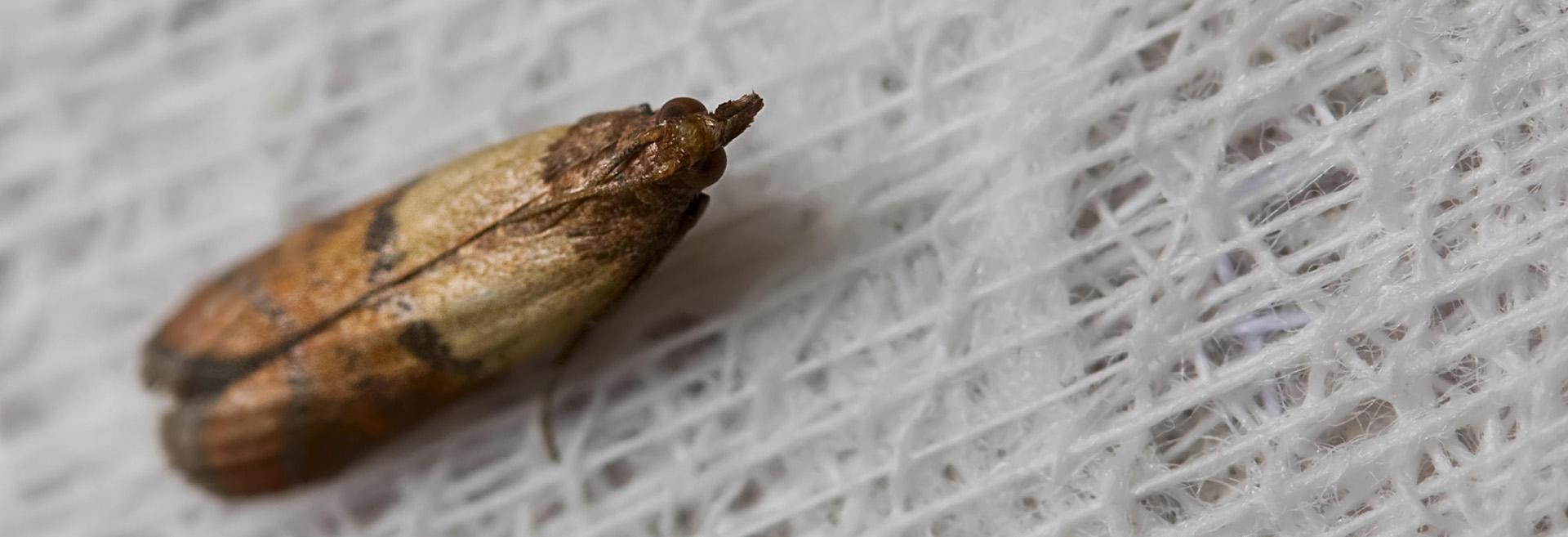
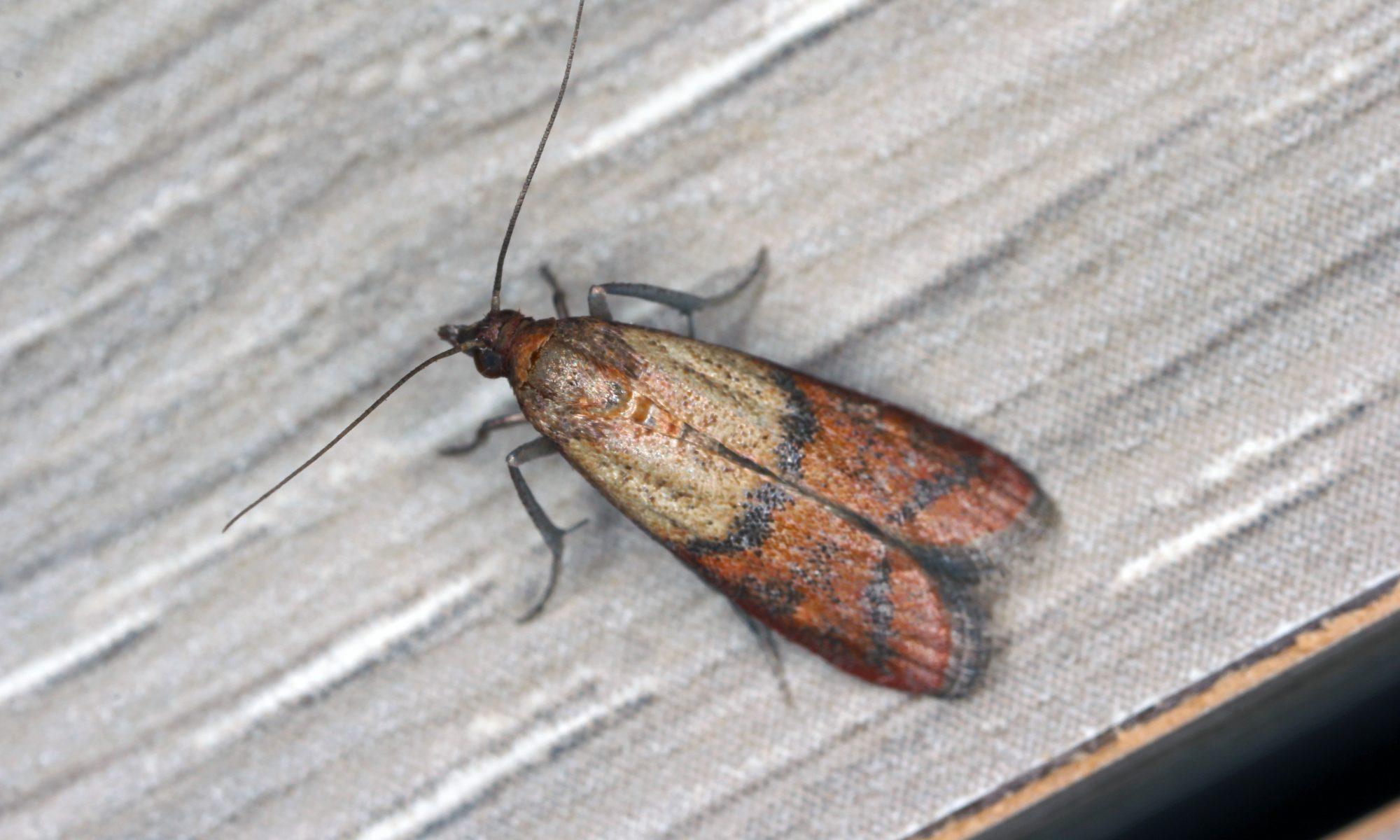
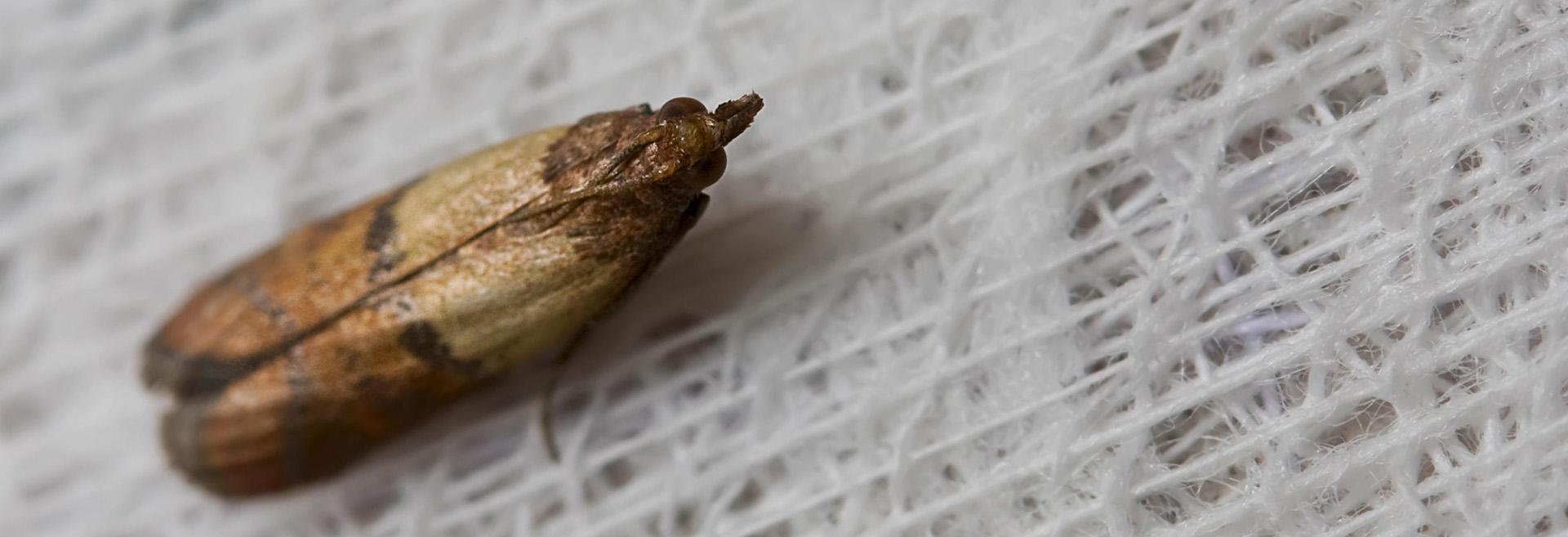
The moth most often found in kitchens and pantries in the US is the Indian meal moth (Plodia interpunctella).
- Adults: about ⅜ inch long, with a wingspan of about ⅝ inch. The front wings are gray near the body and coppery or reddish-brown at the tips, so they look two-toned when folded.
- Larvae: off-white caterpillars, sometimes pinkish or greenish, with a brown head, up to about ½ inch long.
- Webbing: larvae spin silk as they feed, leaving clumps and threads in food.
Pantry moth larvae feed on dry stored foods: flour, cereal, rice, pasta, oats, nuts, dried fruit, chocolate, spices, crackers, pet food and birdseed. They also infest decorative items such as dried flowers and ornamental corn. When a larva is fully grown, it often leaves the food and crawls up walls to spin a cocoon in a corner where the wall meets the ceiling.
How Did I Get Pantry Moths?
In most cases, pantry moths come home from the store. Eggs or young larvae are already in a package of flour, grain, nuts, pet food or birdseed, often from a warehouse or a bulk bin. Once the moths hatch in your pantry, they lay eggs in other open or poorly sealed food nearby.
A pantry moth infestation isn't a sign of a dirty kitchen. It can happen in any home, and it's especially common with foods stored for a long time, such as big bags of pet food or birdseed in a garage.
Are Pantry Moths Harmful?
Pantry moths don't bite, sting or spread disease, and they don't damage clothing. The problem is waste: any food with larvae, webbing or droppings in it should be thrown away, and an infestation can spread through a whole pantry in a few weeks.
Pantry moths are just one type of stored product pest. Small beetles, such as drugstore beetles, flour beetles and sawtoothed grain beetles, infest the same foods and are controlled the same way.
Signs of Pantry Moths
- Small moths flying in the kitchen, often in a zigzag pattern, especially in the evening
- Webbing or clumped food in flour, cereal, rice or grain
- Larvae crawling on shelves, in food, or across the ceiling
- Cocoons in the corners of cabinets, under shelf edges, and where walls meet the ceiling
- Small holes in packaging
How to Get Rid of Pantry Moths
- Check everything in the pantry, including unopened packages, spices, pet food, birdseed and decorative items.
- Throw away anything with webbing, larvae or moths. Seal it in a bag and take it outside to the trash.
- Vacuum shelves, especially corners, cracks and shelf-pin holes, then wipe them with soapy water. Don't spray insecticide on food shelves.
- Store dry food in airtight glass, metal or heavy plastic containers.
- Freeze new bulk foods for about four days to kill any eggs before storing them.
- Use pantry moth pheromone traps to monitor for new activity. They catch males only, so they won't solve an infestation on their own.
If moths keep coming back after a thorough clean-out, there may be a hidden source, such as pet food stored in a garage or a forgotten bag of birdseed. Our technicians can track it down.
Need help? See our moth control service or book an inspection online.

Services
About Us
Delivering Pest Control Excellence