USA - Environmental Pest Control Services
- (812)9403105
- office@archerspestcontrol.com
- Monday to Saturday 9:00 a.m. - 5:00 p.m.
Pest Identification Guide: Common Household
Pests | Archers
What Does a Mole Look Like?
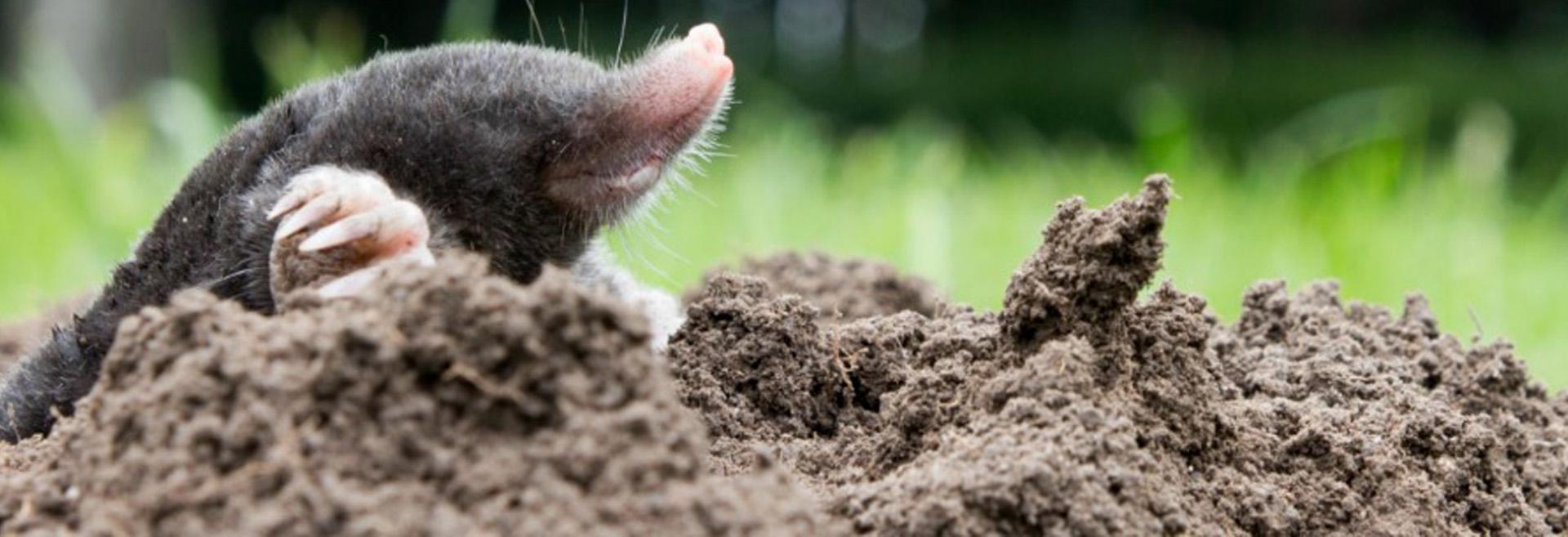
The eastern mole (Scalopus aquaticus) is the mole found in Illinois lawns, gardens and parks. Moles spend almost their entire lives underground, so most people see the damage, not the mole.
- Size: about 6–8 inches long, including a short, nearly hairless tail.
- Fur: soft, velvety, charcoal gray.
- Features: a long, pointed, hairless snout, no visible eyes or ears, and very large, paddle-like front feet built for digging.
Moles aren't rodents. They're insectivores, and they eat mainly earthworms, along with grubs and other insects. They don't eat plant roots or bulbs, although their tunneling can damage them. Moles are solitary and active all year, and a single mole can create a large network of tunnels.
How Do I Know If I Have Moles?
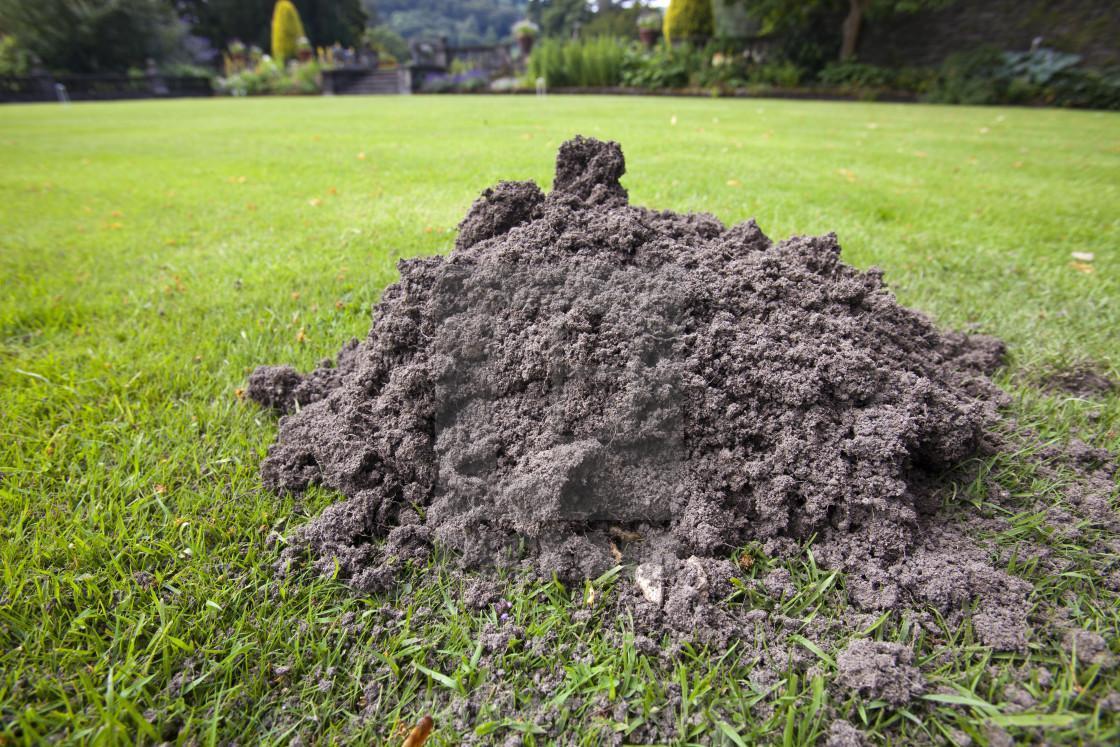
- Raised ridges across the lawn: shallow feeding tunnels just under the surface that feel spongy underfoot
- Molehills: volcano-shaped mounds of loose soil pushed up from deeper tunnels
- Activity peaks in spring and fall, especially after rain, when the soil is moist and worms are near the surface
Moles, Voles or Gophers?
- Moles leave raised ridges and round, volcano-shaped mounds.
- Voles are small rodents that make narrow surface runways through the grass and chew plants and tree bark. They don't push up mounds.
- Pocket gophers leave fan- or crescent-shaped mounds with a plugged hole off to one side. They're found mainly in central Illinois.
How Serious Are Moles?
Moles aren't a health risk. According to Wildlife Illinois, they're not considered a public health threat, and their tunneling actually aerates the soil. The problem is damage to lawns and landscaping: raised ridges kill patches of grass, molehills make mowing difficult, and the uneven ground can be a tripping hazard.
In Illinois, moles aren't protected by the Illinois Wildlife Code and can be removed without a permit.
How to Get Rid of Moles
Many popular mole remedies don't work. According to Wildlife Illinois:
- there are no registered repellents for moles in Illinois
- ultrasonic and vibrating devices haven't been shown to work
- fumigants are usually ineffective and aren't recommended
Treating your lawn for grubs won't reliably get rid of moles either, because earthworms are their main food.
Trapping is the recommended method. The key is placing traps in active tunnels. Step down on a few ridges, and check which ones are raised again within a day or two. Those are the tunnels moles are using.
Removing moles from your yard can open up space for new ones if the soil and food supply stay good, so it may need repeating. Our technicians can locate active tunnels and set traps for you.
Need help? Book an inspection online or see our mole control service.

Services
About Us
Delivering Pest Control Excellence