USA - Environmental Pest Control Services
- (812)9403105
- office@archerspestcontrol.com
- Monday to Saturday 9:00 a.m. - 5:00 p.m.
Pest Identification Guide: Common Household
Pests | Archers
How to Identify a Cockroach
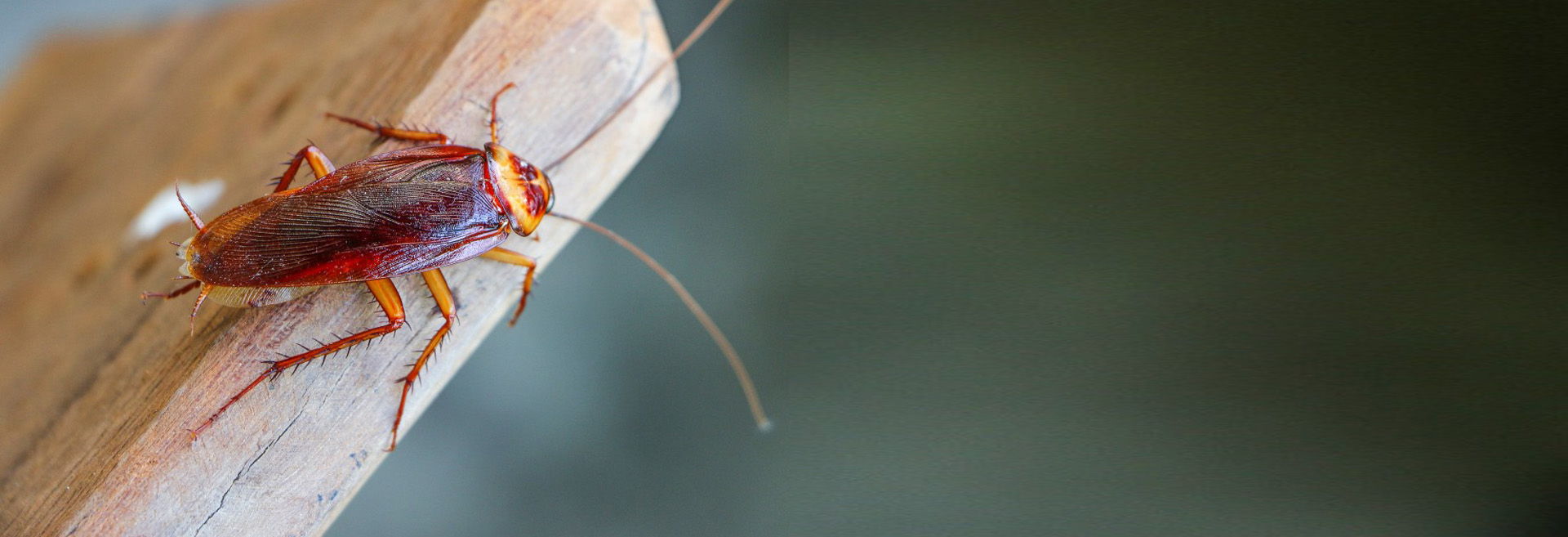
Cockroaches are flat, fast-moving insects with long antennae and spiny legs. They hide in cracks during the day and come out at night to feed. Four species cause most cockroach problems in Illinois homes and businesses, and they need different treatments, so identifying the species is the first step.
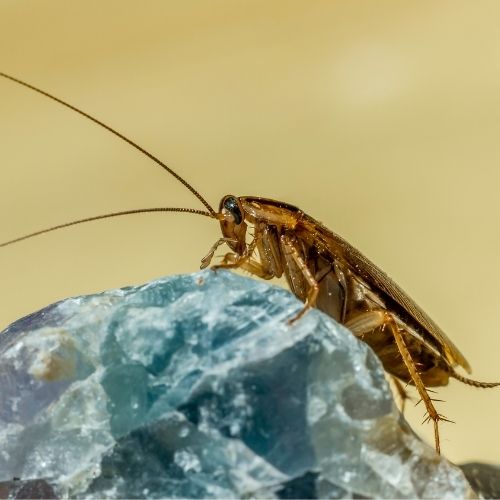
- German cockroach: ½–⅝ inch long, light tan to brown, with two dark stripes running lengthwise behind the head. By far the most common indoor cockroach.
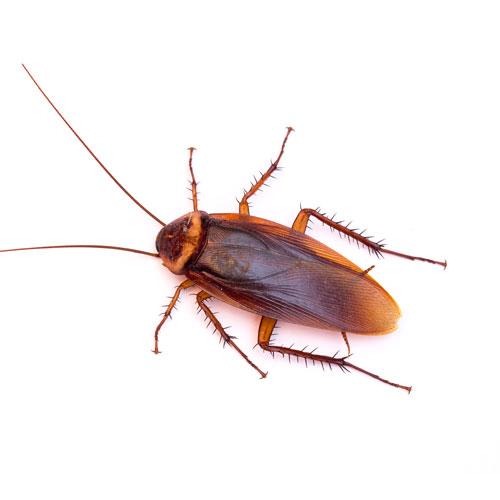
- American cockroach: the largest, at 1½–2 inches. Reddish-brown with a yellowish band behind the head.
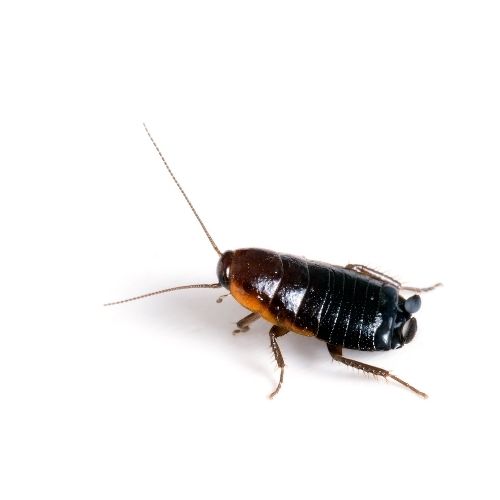
- Oriental cockroach: about 1 inch long, shiny and dark brown to black. Often called a "water bug".
- Brown-banded cockroach: about ½ inch long, with two light bands across the wings and body.
Cockroaches eat almost anything: crumbs, grease, pet food, paper, glue and even soap. A German cockroach female carries an egg case holding 30–40 eggs until they're about to hatch, and the young mature in a couple of months. That's why a small German cockroach problem can turn into a large one so quickly.
How Do Cockroaches Get In?
Cockroaches aren't a sign of a dirty home. Even very clean homes get them. The most common ways they arrive are:
- Hitchhiking in grocery bags, cardboard boxes, used appliances and secondhand furniture. This is how German cockroaches usually arrive.
- Through shared walls and plumbing in apartment and condo buildings, moving between units along pipes and wiring.
- Up from sewers and drains, especially American and Oriental cockroaches.
- Through gaps around doors, foundations and utility lines.
Are Cockroaches Dangerous?
Cockroaches walk through garbage and drains and then across food and kitchen surfaces. They can carry bacteria such as Salmonella and E. coli on their bodies and in their droppings.
Their droppings, shed skins and body parts also contain allergens. The EPA notes that cockroach allergens can trigger asthma attacks, especially in children. For restaurants and other food businesses, cockroaches can also mean failed health inspections.
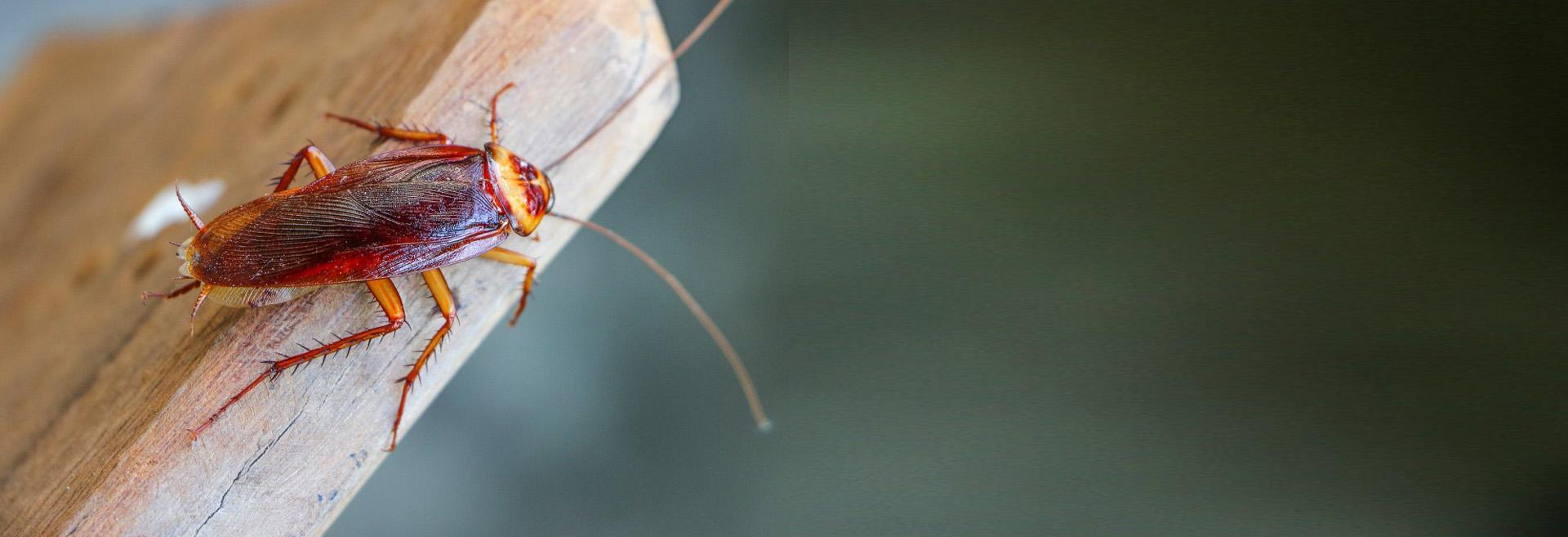
Common Cockroaches in Illinois
German Cockroaches
The cockroach most often found in homes, apartments and restaurants. They like warm, humid spots close to food and water: behind refrigerators and stoves, under sinks, inside cabinets and in bathrooms. If you see small tan cockroaches in the kitchen, especially during the day, the infestation is probably well established.
American Cockroaches
Large cockroaches that live in sewers, steam tunnels and boiler rooms. They're more common in commercial buildings and large apartment buildings, and they usually get into homes through drains and basements.
Oriental Cockroaches
These prefer cool, damp places: basements, crawl spaces, floor drains and areas around leaking pipes, washing machines and water heaters. They're slower than other species and are often found near the ground.
Brown-Banded Cockroaches
Unlike other species, they prefer warm, dry places and are often found higher up: in upper cabinets, behind picture frames, and inside electronics and appliances.
German Cockroach
Oriental Cockroach
How to Get Rid of Cockroaches
Cockroaches are hard to get rid of with store-bought sprays. Sprays only kill the cockroaches you hit, and they can scatter the rest deeper into walls. German cockroaches in particular have become resistant to many common insecticides.
Prevention Tips
- Clean up crumbs and grease, and don't leave dishes or pet food out overnight.
- Store food in sealed containers and take out the trash every day.
- Fix leaking pipes and faucets, because cockroaches need water.
- Get rid of cardboard boxes and paper clutter, where they like to hide and breed.
- Seal cracks around pipes, baseboards and cabinets.
How Archers Pest Control Treats Cockroaches
Our IDPH-licensed technicians identify the species, find where they're hiding and breeding, and treat those areas directly. We use professional gel baits and insect growth regulators that the colony carries back to its hiding places, along with targeted treatments. A cockroach problem usually needs more than one visit. Follow-up visits are listed in your written treatment plan.
Need help? See our cockroach control service or book an inspection online.

Services
About Us
Delivering Pest Control Excellence