USA - Environmental Pest Control Services
- (812)9403105
- office@archerspestcontrol.com
- Monday to Saturday 9:00 a.m. - 5:00 p.m.
Pest Identification Guide: Common Household
Pests | Archers
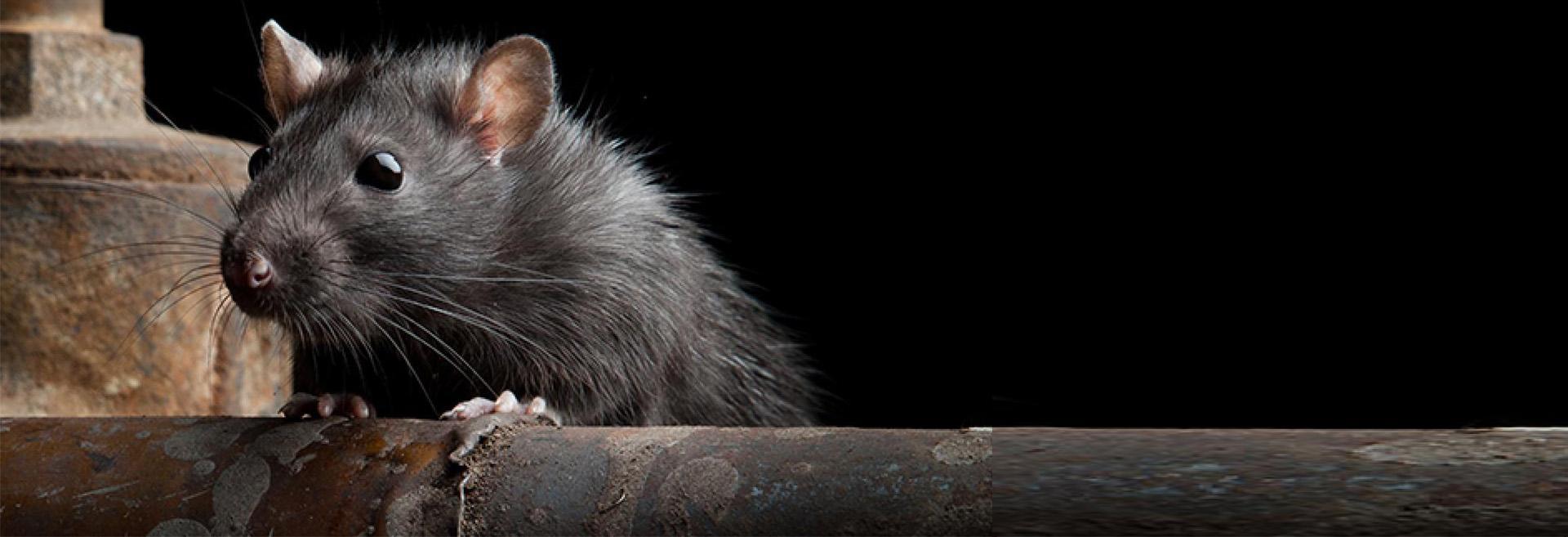
What Does a Norway Rat Look Like?
The Norway rat (Rattus norvegicus), also called the brown rat or sewer rat, is the rat you're most likely to see in the Chicago area. Like the house mouse, it isn't native to Illinois. It came from Europe and lives wherever people do.
- Size: a heavy body 7–10 inches long, plus a tail that's slightly shorter than the body. Adults usually weigh 7–18 oz.
- Color: coarse brown or grayish-brown fur on top, with a lighter gray belly.
- Features: a blunt nose, small ears close to the head, small eyes and a thick, scaly tail.
- Habits: Norway rats dig burrows in the ground, swim well and are most active at night.
Rats eat almost anything: grains, pet food, birdseed, garbage, dog waste and fallen fruit. A female can have four to six litters a year, with around seven or eight young each, and young rats can breed at about three months old. Chicago has ranked at or near the top of national "rattiest city" rankings for more than a decade, and the suburbs see plenty of rat activity too.
The roof rat, which climbs and nests high up, is common in southern and coastal states but rare in northern Illinois. If you have rats around Chicago, they're almost always Norway rats.

How Do Rats Get Into Your Home?
Rats are looking for food, water and shelter, and they find all three around homes and businesses. A rat can squeeze through a gap about ½ inch wide, roughly the size of a quarter, and it can gnaw through wood, plastic, soft metal and even poor-quality concrete to make a gap bigger.
Outdoors, Norway rats usually live in burrows along foundations, under decks, sheds, patios and garden beds, and near trash cans or compost. From there they move into garages, basements and crawl spaces, especially in the fall and when winter arrives.
Where Rats Get In
- Foundation cracks and gaps where pipes, cables and A/C lines enter the building
- Garage doors with worn bottom seals or gaps at the corners
- Vents without screens, including dryer and crawl space vents
- Sewer and drain lines, including broken pipes and floor drains without covers
- Gaps under doors and around basement windows and window wells
Are Rats Dangerous?
Yes. Rats contaminate food and surfaces with their droppings, urine and hair. According to the CDC, Norway rats can spread diseases including leptospirosis, salmonella, rat-bite fever and a type of hantavirus called Seoul virus. They can also bring fleas and mites into a building.
They cause real damage, too. Rats gnaw constantly. They chew through electrical wiring, which is a fire risk, and through pipes, insulation and siding. Their burrows can undermine patios, sidewalks and foundations.
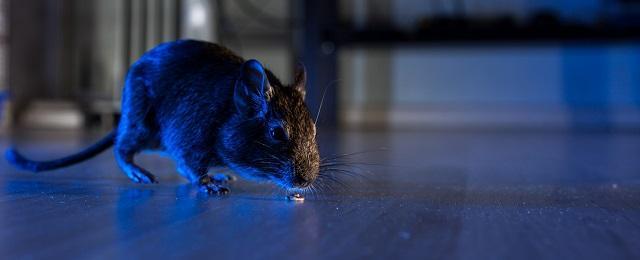
Signs of Rats
- Droppings: dark, capsule-shaped and blunt at the ends, about ½–¾ inch long
- Burrows: holes 2–4 inches wide in soil along foundations, under decks and beside sheds, often with smooth, packed runways leading to them
- Gnaw marks on wood, plastic, trash cans and wiring
- Rub marks: dark, greasy smudges along walls and pipes where rats run regularly
- Noises in walls, ceilings or crawl spaces at night
- Pets acting excited or pawing at a wall or under an appliance
Not sure if it's a rat or a mouse? See our house mouse page for a side-by-side comparison.
How to Get Rid of Rats
What You Can Do
- Remove food: use trash cans and recycling bins with tight lids, pick up dog waste daily, clean up fallen birdseed and fruit, and don't leave pet food outside.
- Remove shelter: clear clutter, keep firewood off the ground and away from the house, and cut back dense shrubs and ground cover near the foundation.
- Seal entry points: close gaps larger than ½ inch with hardware cloth, sheet metal or concrete. Rats chew through foam, wood and plastic.
- Fix leaks and remove standing water.
Be careful with rat poison. Since EPA rules changed, the strongest rodenticides can only be sold to and used by professionals, and the products sold to homeowners must be used in tamper-resistant bait stations. Poison can harm children, pets and wildlife such as hawks and owls that eat poisoned rats.
How Archers Pest Control Gets Rid of Rats
Our IDPH-licensed technicians start with a full inspection to find burrows, runways and entry points. We then treat the colony, set traps or bait stations where they're safe and effective, and seal the gaps rats are using. Follow-up visits are listed in your written treatment plan.
Need help? See our rat control service or book an inspection online.

Services
About Us
Delivering Pest Control Excellence