USA - Environmental Pest Control Services
- (812)9403105
- office@archerspestcontrol.com
- Monday to Saturday 9:00 a.m. - 5:00 p.m.
Pest Identification Guide: Common Household
Pests | Archers
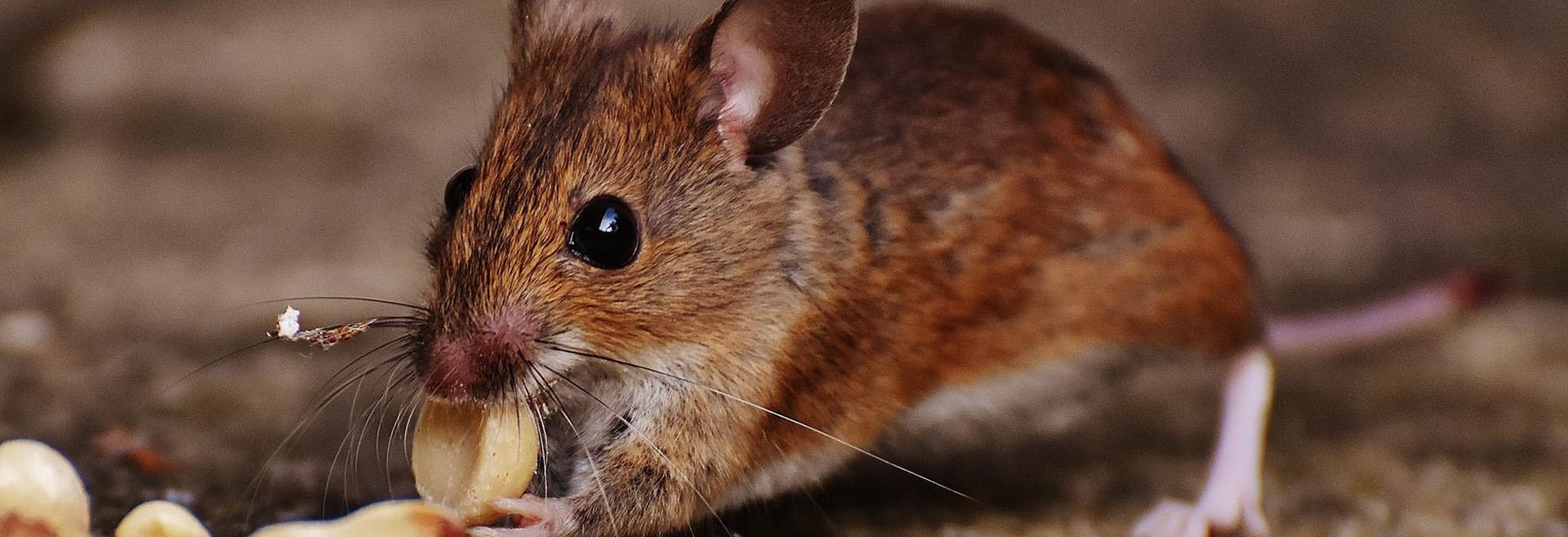
What Does a House Mouse Look Like?
The house mouse (Mus musculus) is the mouse most often found inside homes and businesses in Illinois. It isn't a native species: it arrived from Europe and lives almost entirely alongside people.
- Size: a body about 2½–3½ inches long, plus a tail of about the same length. Adults weigh only ½–1 oz.
- Color: dusty gray to light brown on top, with a slightly lighter gray or buff belly (not bright white).
- Features: a pointed snout, large rounded ears, small black eyes and a long, nearly hairless, scaly tail.
- Abilities: house mice are excellent climbers, can jump about a foot straight up and run along wires and pipes.
House mice are mostly active at night and nest close to food, using shredded paper, insulation and fabric. They eat grains and seeds but will try almost anything in a kitchen or pantry. A female can have five to ten litters a year, each with around five or six young, and the young can breed at about two months old. That's why a couple of mice in October can become a real infestation by winter.

How Do Mice Get Into Your Home?
A mouse can squeeze through a gap about ¼ inch wide, roughly the size of a dime, and it will gnaw a small gap until it fits. Around Chicago, mice move indoors in the fall when temperatures drop, usually from mid-September through November. Common entry points include:
- gaps where pipes, cables and A/C lines enter the house
- worn garage door seals and missing door sweeps
- foundation cracks, weep holes and gaps around basement windows
- openings around dryer vents and under siding
Once inside, they head for quiet, warm spaces: attics, basements, wall voids, behind appliances and inside kitchen cabinets.
Signs of Mice in Your House
Seeing a live or dead mouse is the obvious sign, but most people notice something else first:
- Droppings: small, dark and pointed at the ends, about ⅛–¼ inch long, often along walls, in drawers or under the sink
- Noises: scratching or scurrying in walls and ceilings, especially at night
- Gnaw marks on food packaging, baseboards, wiring or plastic
- Nests of shredded paper, fabric or insulation in hidden corners
- A musty smell in cupboards or closed spaces
- Grease marks along the routes they run every night
Mouse or Rat?
A young rat can look like a large mouse, so check the details:
| House mouse | Norway rat | |
|---|---|---|
| Body length | 2½–3½ in | 7–10 in |
| Head and feet | Small in proportion to the body | Large and heavy |
| Droppings | ⅛–¼ in, pointed | ½–¾ in, blunt |
| Smallest gap | ¼ in (a dime) | ½ in (a quarter) |
Learn more on our Norway rat page.
House Mouse or Deer Mouse?
Illinois also has two native mice that come indoors in late fall: the deer mouse and the white-footed mouse. They're common in homes near forest preserves, parks and open fields. They're easy to tell apart from house mice:
- a sharp two-tone coat: brown or reddish-brown on top and bright white underneath
- white feet
- large, bulging black eyes
- a furry tail that's dark on top and white below
The difference matters for your health. Deer mice and white-footed mice are the main carriers of hantavirus in the US, and white-footed mice are also hosts in the life cycle of the ticks that spread Lyme disease. If you think you have deer mice, take extra care when cleaning up (see below).
Are Mice Dangerous?
House mice contaminate food and surfaces with their droppings, urine and saliva. According to the CDC, the house mouse is the main carrier of lymphocytic choriomeningitis virus (LCMV), which can be serious for pregnant women and people with weakened immune systems. Mice can also spread salmonella, which causes food poisoning.
They also cause damage. Mice gnaw constantly to keep their teeth worn down, and they'll chew through wood, plastic, insulation and electrical wiring. Chewed wiring in walls and attics is a fire risk.
Cleaning Up After Mice Safely
Don't sweep or vacuum droppings or nests, because that sends dust into the air. Instead:
- Open windows and wear rubber or disposable gloves.
- Spray droppings and nesting material with a disinfectant or a bleach solution (1 part bleach to 10 parts water) and let it soak for 5 minutes.
- Wipe it up with paper towels, bag it and put it in the trash.
- Disinfect the area, then wash your hands thoroughly.
For heavy contamination in attics, crawl spaces or garages, ask a professional.
How to Keep Mice Out
- Seal gaps larger than ¼ inch with steel wool or copper mesh, then caulk over it. Expanding foam alone won't stop mice, because they chew straight through it.
- Fit door sweeps and replace worn garage door bottom seals.
- Store food in glass, metal or hard plastic containers, including pet food and birdseed.
- Keep firewood off the ground and well away from the house.
- Trim shrubs and clear clutter from around the foundation.
- Check in late summer, before the fall rush, when it's easier to find and seal entry points.
How to Get Rid of Mice
A mouse problem is solved in two parts: removing the mice that are inside, and stopping new ones getting in.
- Trapping: snap traps work well. Place them against walls, at right angles, with the trigger end toward the wall, and bait them with a small amount of peanut butter. Use more traps than you think you need.
- Sealing: traps alone won't solve the problem if the entry points stay open. Find and seal them.
- Be careful with poison: rodenticides sold to homeowners must be used in tamper-resistant bait stations, and they can harm children and pets. Mice that eat poison often die inside walls, which causes odors.
If mice keep coming back, or you'd rather not deal with them yourself, our IDPH-licensed technicians can inspect your home, find every entry point, set up a treatment plan and seal the gaps.
Need help? See our mouse control service or book an inspection online.

Services
About Us
Delivering Pest Control Excellence