USA - Environmental Pest Control Services
- (812)9403105
- office@archerspestcontrol.com
- Monday to Saturday 9:00 a.m. - 5:00 p.m.
Pest Identification Guide: Common Household
Pests | Archers
What Do Clothes Moths Look Like?
Two species of clothes moth damage fabrics in US homes. The adults do no harm. It's the larvae that eat holes in your clothes and rugs.
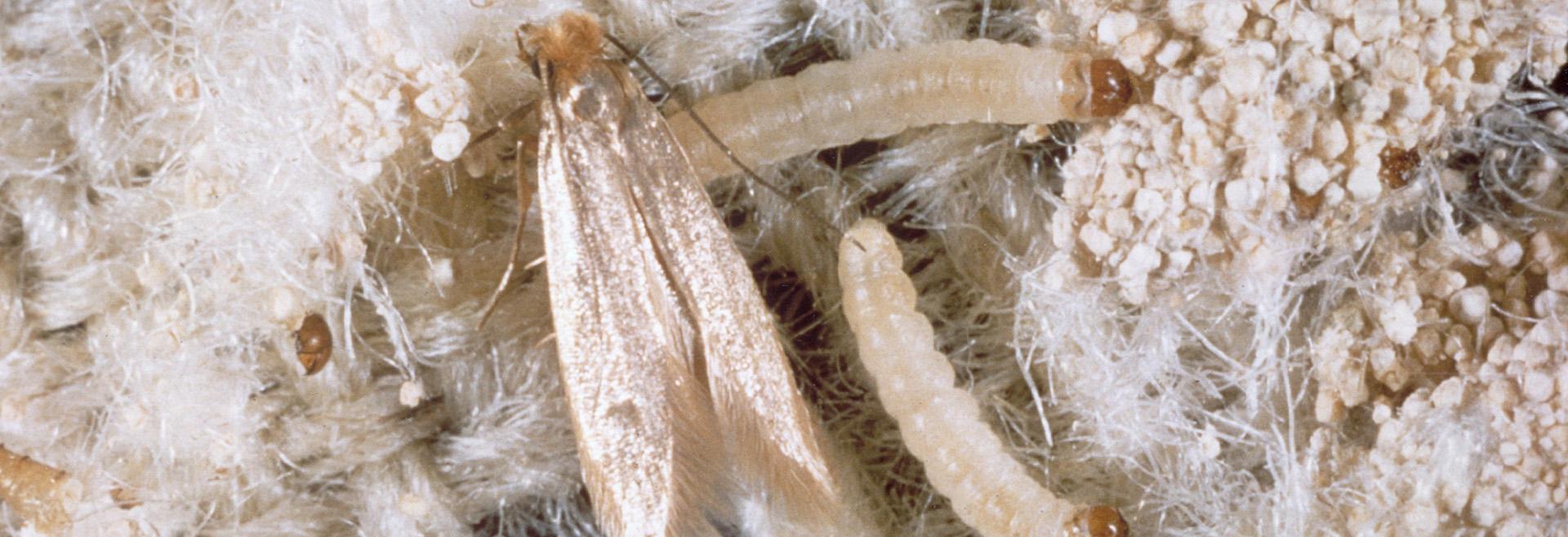
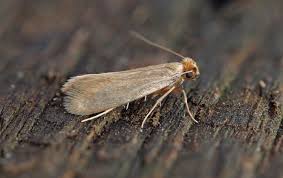
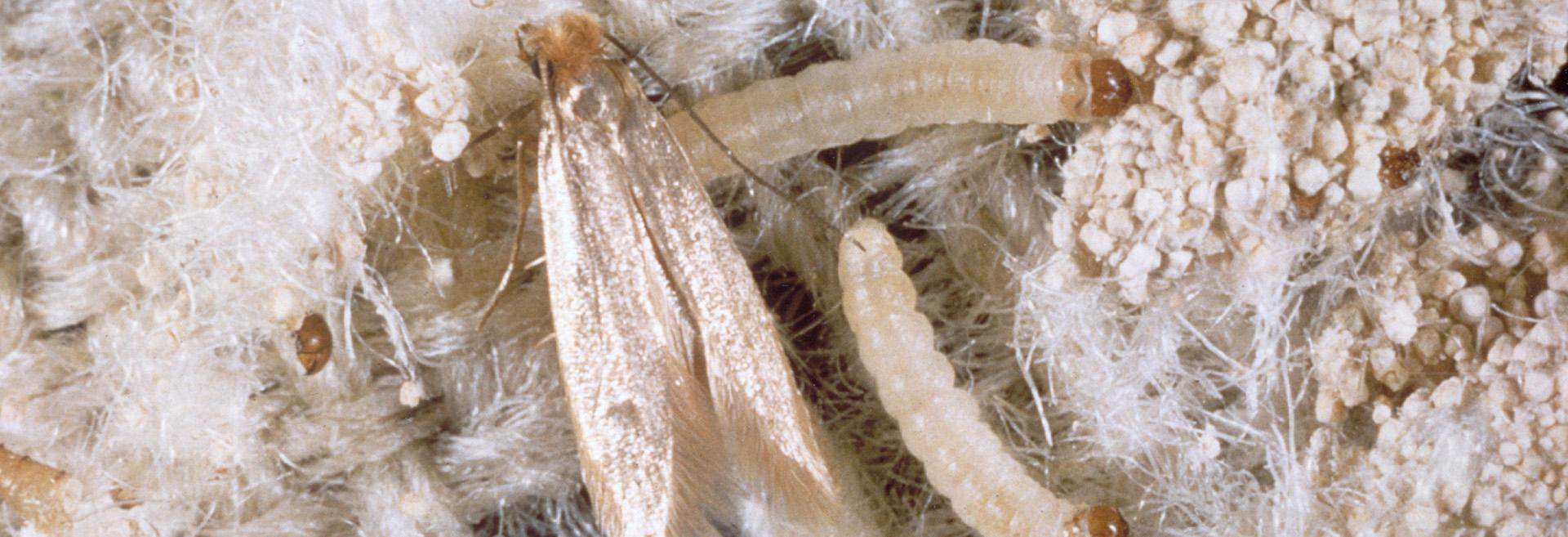
- Webbing clothes moth: the most common. Adults are about ¼–½ inch long, with plain, shiny, golden-buff wings and a tuft of reddish hair on the head.
- Casemaking clothes moth: similar in size but more brownish, with faint dark spots on the wings. The larvae carry a small silk case around with them.
- Larvae: creamy white caterpillars with a brown head, up to about ½ inch long.
Clothes moth larvae feed on keratin, a protein found in animal fibers: wool, cashmere, silk, fur, feathers, felt and wool rugs. They also attack cotton and synthetic blends when they're stained with sweat, skin oils or food. Larvae prefer dark, undisturbed places, which is why damage often turns up on clothes stored for a season or on the underside of rugs beneath furniture.
Unlike most moths, clothes moths avoid light. You're more likely to see them fluttering near the floor or inside a closet than flying around a lamp.
Signs of Clothes Moths
- Holes in sweaters, coats, suits and blankets, often in hidden areas such as under collars and cuffs
- Thin or bare patches in wool rugs, especially along edges and under furniture
- Silk webbing, tunnels or small tube-shaped cases on fabric
- Frass: tiny droppings like grains of sand, often the same color as the fabric they've eaten
- Small moths fluttering in closets or near the floor
Many moths found in homes aren't clothes moths. If the moths are in your kitchen, they're probably pantry moths. And if you find damage but no webbing, the cause may be carpet beetles.
How Serious Are Clothes Moths?
Clothes moths don't bite or spread disease, but they can be expensive. An infestation can ruin wool suits and coats, cashmere, heirloom textiles, upholstery and valuable rugs, often before anyone notices. Because the larvae feed out of sight, damage is usually discovered when stored items come out at the start of a new season.
Why Do I Have Clothes Moths?
Clothes moths usually arrive on secondhand clothing, vintage rugs, used furniture or other items that already have eggs or larvae. Adults can also fly in through open windows. Once inside, they thrive in:
- closets and drawers that aren't opened often
- clothes stored without being cleaned first
- wool rugs under heavy furniture that rarely gets moved
- storage boxes in basements and attics
- warm, humid conditions, which speed up their life cycle
How to Prevent Clothes Moths
- Clean before storing: wash or dry-clean wool and silk before putting them away, because moths are drawn to sweat and food stains.
- Store airtight: use sealed plastic bins or zippered garment bags, not cardboard boxes.
- Vacuum regularly, including under furniture, along baseboards, inside closets and under the edges of rugs.
- Check secondhand items before bringing them home. Freezing small items for several days, or dry cleaning them, kills eggs and larvae.
- Use pheromone traps in closets. They catch male moths, which helps you spot an infestation early, but they won't solve one on their own.
Mothballs are pesticides regulated by the EPA. Use them only as the label directs, in tightly sealed containers, and never loose in closets or drawers, where the fumes can build up in living spaces.
How Archers Pest Control Can Help
Our IDPH-licensed technicians identify the species, find where the larvae are feeding and breeding, and treat those areas with targeted, EPA-registered products. We'll also tell you exactly which items to clean, freeze or throw away.
Need help? See our moth control service or book an inspection online.

Services
About Us
Delivering Pest Control Excellence